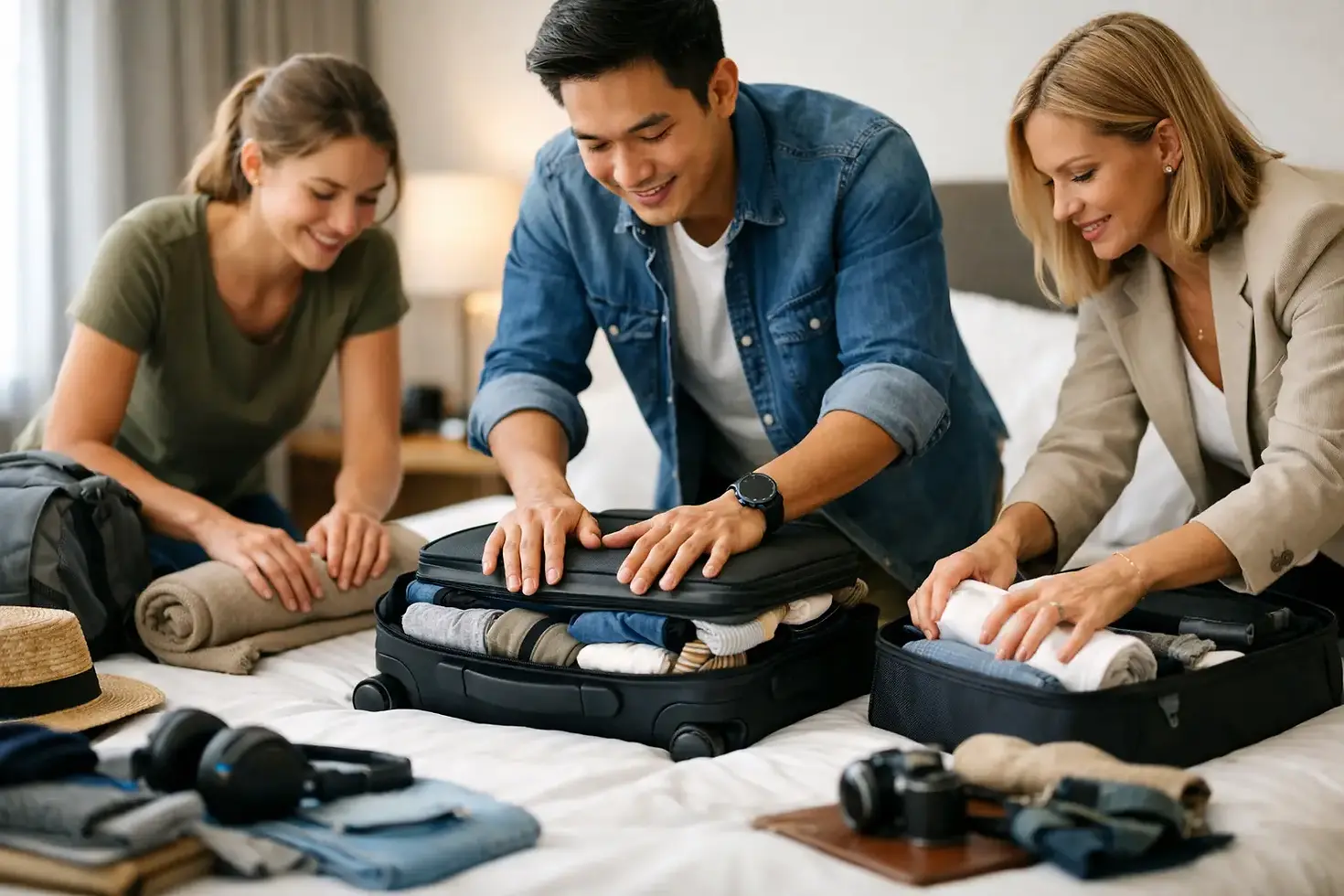
How to Fit More Clothes in Luggage

A suitcase starts to feel full long before it is actually packed well. That is usually the problem. If you are searching for how to fit more clothes luggage, the answer is rarely buying a bigger bag. It is using your existing space with more intention, less bulk, and a cleaner packing system.
Most travelers lose space in three places: trapped air inside folded clothing, awkward gaps between larger items, and last-minute packing choices that add volume without adding value. When you fix those three issues, your suitcase changes fast. You can fit more, keep things organized, and avoid the stressed-out moment when the zipper starts fighting back.
How to fit more clothes in luggage without overstuffing
Packing more is not the same as cramming more. Overstuffing creates wrinkles, makes your bag harder to close, and often leaves you digging through a pile of compressed chaos by day two of a trip. A better approach is controlled density.
Start with clothing selection before you think about folding techniques. The most efficient suitcase is built from pieces that work together. Neutral layers, repeat-wear basics, and lighter fabrics naturally take up less room than heavy, single-use outfits. Three tops that pair with the same pants will always pack better than three complete outfits that only work once.
Fabric matters more than most people expect. Denim, bulky sweaters, and structured jackets consume a lot of space. That does not mean you should never bring them, but they should be chosen carefully. If you can wear your heaviest items in transit, you free up valuable suitcase volume without sacrificing style or comfort.
Then comes the packing method itself. Many travelers fold everything the same way, which wastes space. Thin knits and casual tops often roll well because rolling reduces sharp folds and helps fill narrow gaps. Button-down shirts, blazers, and anything prone to creasing usually do better when folded flat and layered. The best-packed suitcase uses both methods, not one universal rule.
The packing methods that actually create space
There is a reason some suitcases look sleek and controlled while others look full after five items. Efficient packing depends on compression, but not all compression works the same way.
Rolling is useful because it creates compact, cylindrical shapes that tuck easily around shoes and toiletry bags. It also lets you see more at a glance. For weekend trips or casual wardrobes, rolling can be enough.
Flat folding is stronger for structured garments. It keeps cleaner lines and creates a stable base layer. If your trip includes workwear or dressier pieces, this matters. A bag packed entirely with rolled clothes can become lumpy and uneven, which makes the remaining space harder to use.
Packing cubes help with organization, but they do not always save significant space on their own. Their real advantage is containment. They keep categories together and prevent the suitcase from unraveling every time you open it. Compression cubes go a step further by reducing some volume, though the amount depends on fabric type and how full the cube is to begin with.
Vacuum compression creates the biggest space gain because it removes excess air from clothing rather than just rearranging the shape. That distinction matters. Soft garments like T-shirts, sweaters, workout wear, pajamas, and baby clothes hold more air than most people realize. Once that air is removed, the stack becomes dramatically slimmer.
For travelers who want more capacity without moving up to a larger suitcase, cordless compression is one of the cleanest upgrades. A compact setup with a rechargeable pump and travel-ready compression bags gives you more usable room while keeping clothing protected from moisture and odors. It is elegant logic for your suitcase: less bulk, more order, better visibility.
How to fit more clothes luggage for different trip types
The right method depends on where you are going and how you travel. A three-day city trip has different needs than a ten-day international itinerary.
For a short trip with a carry-on, the goal is speed and flexibility. Roll casual items, wear your bulkiest layer on the plane, and keep shoes to one packed pair if possible. Compression can make a real difference here because carry-on dimensions are fixed. Even a little extra room can mean fitting an extra outfit or avoiding a second bag.
For business travel, prioritize wrinkle control and separation. Fold structured items flat, place lighter rolled basics around them, and compress only the categories that can handle it well, like undershirts, knitwear, gym clothes, or sleepwear. This keeps your workwear sharp while still reducing total volume.
For longer vacations, think in modules. Group clothing by function: daytime, evening, active, sleep. This helps you pack with intention and avoid duplicates you will not wear. Longer trips often benefit the most from compression because repeated outfit options add bulk quickly. If laundry is available, you can cut even more volume by packing for half the trip and rotating.
Small space-saving moves that make a big difference
A lot of packing efficiency comes from details that seem minor until you add them together.
Fill your shoes with socks, underwear, chargers, or smaller accessories. Use the perimeter of the suitcase for denser items and the center for flatter layers. Keep anything awkwardly shaped, like a hair tool or belt, along the edges where gaps naturally form.
Do not stack everything vertically from the bottom up. That creates height, which is what fights the zipper. Instead, spread weight and bulk across the full footprint of the suitcase. A flatter, denser bag closes more easily than one with a high center pile.
Try not to pack “just in case” pieces unless they solve multiple scenarios. One extra sweater, one backup pair of jeans, and one optional dress may not sound excessive, but together they can consume the space of three or four more versatile items. The most efficient travelers edit before they pack.
It also helps to separate what must stay crisp from what can be compressed. This is where many people go wrong. Not every garment should be treated the same. Delicate fabrics, heavily embellished pieces, or sharply tailored items may need gentler handling. Soft everyday clothing, on the other hand, is ideal for more aggressive space-saving methods.
What not to do when trying to pack more
The fastest way to ruin a good packing plan is to confuse density with disorder. If you jam items into every opening without a system, you might technically fit more, but you will pay for it later with wrinkles, clutter, and repacking frustration.
Avoid packing too many shoes. Shoes are usually the least efficient item in a suitcase, and they create dead zones around them. Keep pairs intentional and travel in the bulkiest one.
Avoid thick stacks of traditionally folded clothes if space is tight. That method looks neat at first, but it traps air and builds height fast. It is one of the main reasons medium-size suitcases feel full too soon.
And avoid relying on manual compression solutions that are inconvenient to use during travel. If the process feels fussy, travelers often skip it on the return trip, which defeats the purpose. Simplicity matters. The easier the system, the more likely you are to use it both ways.
The smartest way to make your suitcase feel bigger
If your usual bag never seems to hold enough, the answer may not be a larger suitcase. Bigger luggage invites more packing, more weight, and more disorder. A better solution is to reduce volume at the clothing level.
That is why modern travelers are moving toward compact compression systems that are easy to use, easy to recharge, and designed for real trips rather than home storage routines. TRIPUM approaches this with a cleaner travel mindset: pack more, protect your clothes, and keep your luggage controlled instead of chaotic.
The real goal is not squeezing in as much as possible. It is creating enough room to travel comfortably, stay organized, and leave space for the return trip too. When your packing system removes bulk instead of adding stress, your suitcase starts working the way it should.
The next time your bag looks full too early, pause before removing half your wardrobe. You probably do not need fewer options. You need less air, better structure, and a packing method that earns its space.


Comments